The Impact of Family Socioeconomic Status on Educational Opportunities

The Impact of Family Socioeconomic Status on Educational Opportunities
Introduction
Family socioeconomic status (SES) is one of the most influential factors shaping a child’s educational journey. SES encompasses income, parental education, occupation, and access to social resources. Children from higher-SES families typically have greater access to quality schools, learning materials, extracurricular activities, and supportive home environments. Conversely, low-SES families often face financial constraints, limited access to educational resources, and additional social challenges. Understanding the impact of SES is critical for promoting educational equity.
How Socioeconomic Status Affects Education
1. Access to Quality Schools
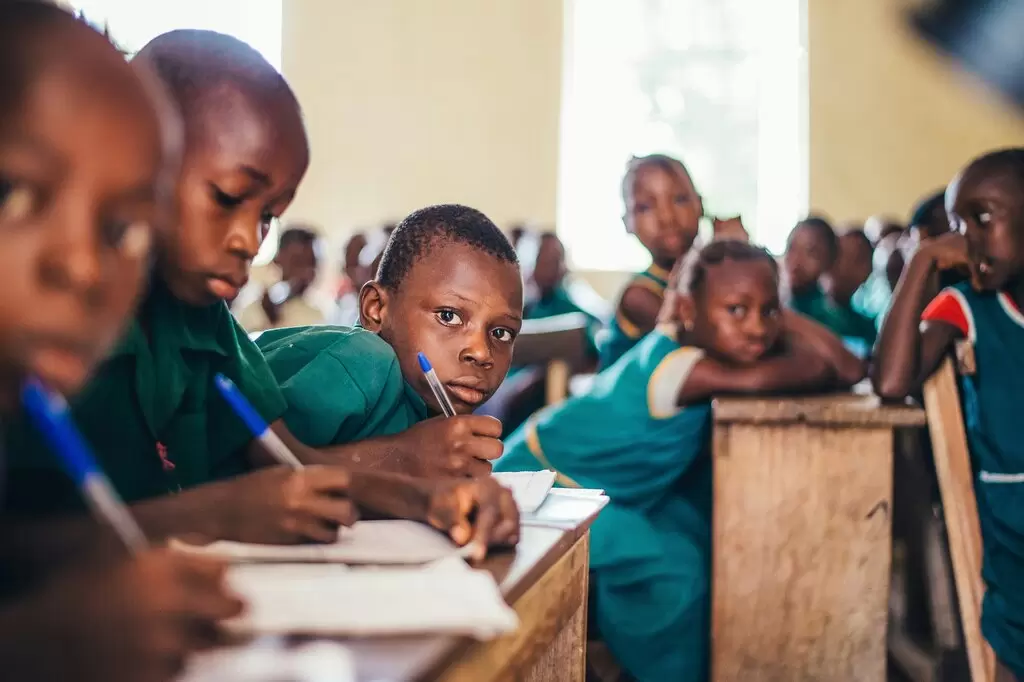
Higher-SES families can afford to live in neighborhoods with well-funded schools or pay for private education. In contrast, low-SES families often rely on underfunded public schools with limited resources and fewer qualified teachers.
2. Learning Materials and Technology
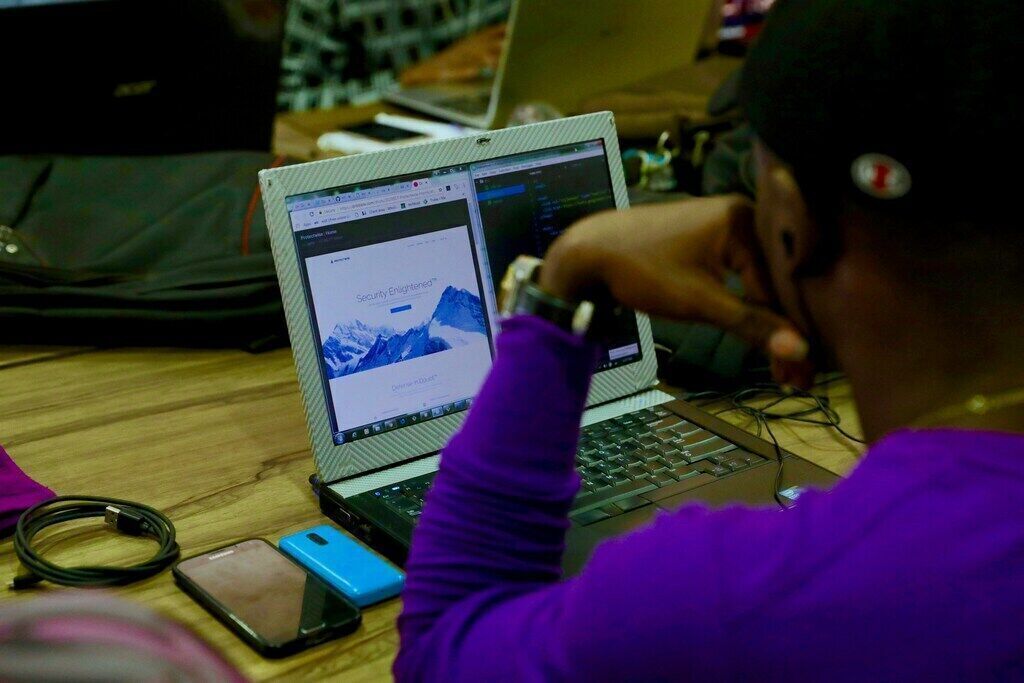
Children from wealthier households have access to books, computers, educational apps, and high-speed internet, enhancing their learning experience. Children from low-income families may lack these resources, widening the achievement gap.
3. Extracurricular Activities
Participation in music, sports, arts, and STEM programs enriches learning and develops skills beyond the classroom. These opportunities are more accessible to children from higher-SES families.
4. Parental Support and Expectations
Parents with higher education levels are better equipped to support homework, provide academic guidance, and advocate for their children. They are also more likely to set high educational expectations, fostering motivation and ambition.
5. Health and Nutrition
SES affects health outcomes, which in turn influence academic performance. Malnutrition, chronic illness, and inadequate healthcare can hinder cognitive development and school attendance for children from low-SES families.
Case Studies and Evidence
1. United States
Studies show that children from affluent families score higher on standardized tests, have higher graduation rates, and are more likely to attend college compared to peers from low-income families.
2. United Kingdom
Research indicates that family income and parental education strongly predict academic achievement and university enrollment, even after accounting for school quality.
3. Developing Countries
In countries like India and Nigeria, children from low-SES households often face early school dropout, child labor, and gender disparities, further limiting educational opportunities.
Strategies to Mitigate SES Impact
1. Needs-Based Funding
Allocating additional resources to schools serving low-SES communities can help reduce disparities in infrastructure, teaching quality, and learning materials.
2. Early Intervention Programs
Preschool and early childhood programs targeted at disadvantaged children can prepare them for school, closing achievement gaps before they widen.
3. Scholarship and Financial Aid Programs
Providing financial support for tuition, books, transportation, and meals can enable low-SES children to attend quality schools and complete their education.
4. Parental Engagement Programs
Workshops, guidance, and community support can empower parents to participate more actively in their children’s education.
5. Technology Integration
Affordable devices, online learning platforms, and digital resources can supplement classroom instruction and expand learning opportunities for low-SES students.
Long-Term Implications
The impact of SES is not limited to schooling years; it extends to career prospects, income potential, and social mobility. Children from low-SES families who receive inadequate education are more likely to experience economic disadvantage as adults, perpetuating cycles of inequality. Addressing SES-related educational disparities is therefore both a social and economic imperative .
Future Outlook
Policymakers, educators, and communities must adopt multi-faceted strategies to reduce the influence of family SES on educational outcomes. Emerging initiatives such as digital learning platforms, mentorship programs, and community-based education centers offer promising avenues for leveling the playing field.
Conclusion
Family socioeconomic status profoundly shapes educational opportunities, affecting access, resources, support, and long-term outcomes. While the challenges are significant, targeted interventions—including equitable funding, early childhood programs, and parental engagement—can mitigate these effects. Promoting educational equity requires addressing SES disparities head-on , ensuring that every child has the opportunity to reach their full potential, regardless of their family background.