Global Education Inequality: How Technology Can Bridge — or Widen — the Gap
Global Education Inequality: How Technology Can Bridge — or Widen — the Gap
Education is often hailed as the great equalizer — a pathway to opportunity, social mobility, and personal growth. Yet, in reality, global education systems are marked by significant disparities. Millions of children and adults still lack access to quality education, and even within developed nations, socioeconomic, geographic, and cultural factors shape educational outcomes.
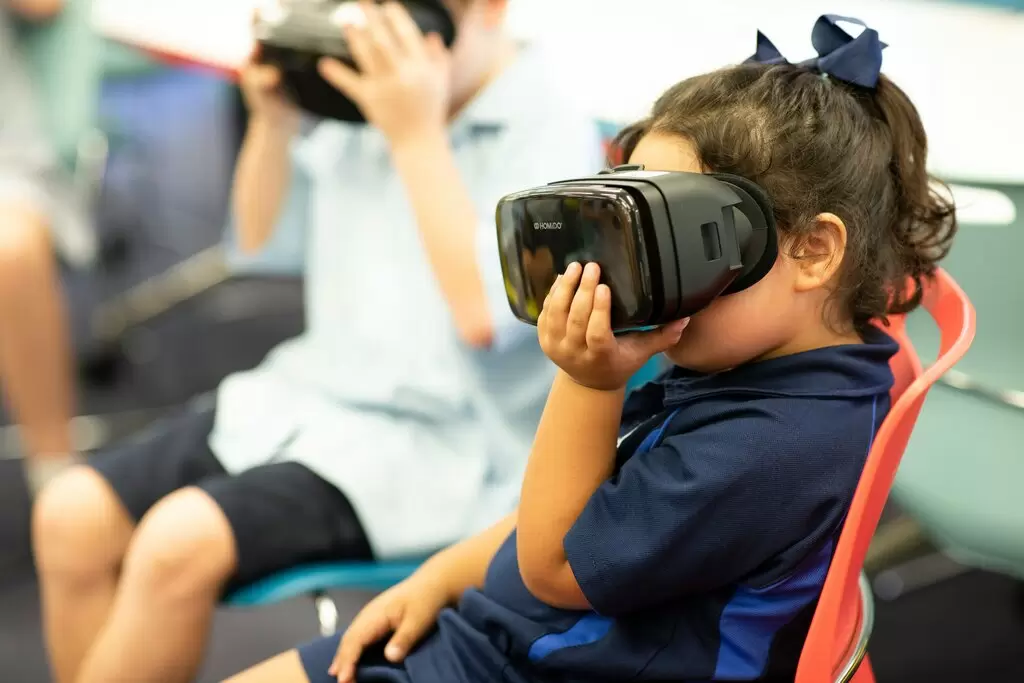
In recent years, technology has been promoted as a solution to these inequalities. Online courses, virtual classrooms, and AI-powered learning tools promise to make education accessible to anyone with an internet connection. However, technology is a double-edged sword: without careful planning and equitable implementation, it can just as easily widen the gap between privileged and underserved communities.
Understanding Global Education Inequality
1. Access and Infrastructure
A major barrier to equitable education is access . In many low-income countries, schools lack basic infrastructure such as classrooms, libraries, and trained teachers. Even when schools exist, many students cannot attend due to distance, costs, or social barriers . For instance, rural communities often have fewer schools, longer travel times, and less-qualified teachers compared to urban areas.
2. Socioeconomic Factors
Family income, parental education, and neighborhood resources significantly influence educational outcomes. Children from wealthier families can afford tutoring, technology, and extracurricular activities , while children from low-income households often struggle to meet basic learning needs.
3. Gender and Cultural Disparities
Globally, girls and women still face obstacles in accessing education in some regions due to cultural norms, early marriage, or gender-based violence. Technology alone cannot resolve these deeply ingrained societal issues but can offer alternative pathways if thoughtfully implemented.
The Promise of Technology in Education
Technology has enormous potential to bridge educational gaps by providing access, personalization, and flexibility:
🌐 1. Expanding Access to Remote and Underserved Areas
Digital learning platforms can reach students in remote regions where qualified teachers are scarce. For example:
- Online video lessons can teach advanced math or science concepts.
- Virtual classrooms enable live interaction with expert instructors worldwide.
- Mobile apps deliver educational content to students with limited infrastructure.
🤖 2. Personalized Learning
AI-driven tools can adapt lessons to individual learning styles and paces . Students who struggle with certain subjects can receive extra practice, while advanced learners can move ahead without waiting for the rest of the class.
💡 3. Lifelong Learning Opportunities
Technology enables learning beyond traditional school years . Adults in developing countries can access vocational training, digital skills courses, and literacy programs, which can improve employment prospects and economic mobility.
How Technology Can Widen the Gap
Despite its benefits, technology can exacerbate inequality if access is uneven or resources are poorly allocated :
1. The Digital Divide
Many students, especially in low-income households, lack reliable internet, devices, or electricity . This digital divide means that online education can disproportionately benefit wealthier students, leaving marginalized communities further behind.
2. Quality Disparities
Not all digital content is created equal. Students in affluent areas may have access to high-quality interactive platforms, trained facilitators, and supportive learning environments , while others receive low-quality, static content that does not meet educational standards.
3. Teacher Training Gaps
Technology is only effective if teachers know how to integrate it into their classrooms. Without proper training and support , even advanced tools can fail to improve learning outcomes.
4. Cultural and Language Barriers
Most online content is developed in major global languages such as English, Spanish, or Mandarin. Students who speak minority or indigenous languages may struggle to access meaningful learning resources, reinforcing existing inequities.
Strategies to Ensure Technology Bridges the Gap
To maximize the benefits of technology and reduce disparities, policymakers and educators should focus on the following strategies:
✅ 1. Infrastructure Investment
Governments and NGOs must ensure that all students have access to internet connectivity, electricity, and digital devices , especially in rural or low-income areas.
✅ 2. Affordable and Inclusive Content
Educational platforms should provide content in multiple languages , accommodate students with disabilities, and offer low-bandwidth options for areas with limited connectivity.
✅ 3. Teacher Training and Support
Teachers must be trained to effectively integrate technology into lessons, monitor student progress, and provide personalized guidance.
✅ 4. Partnerships Between Public and Private Sectors
Collaboration between governments, tech companies, and nonprofit organizations can fund digital programs, provide devices, and develop localized curricula tailored to specific communities.
✅ 5. Holistic Approach
Technology alone cannot solve educational inequality. Governments must also address poverty, gender barriers, health, and nutrition , which significantly impact learning outcomes.
Case Study: Khan Academy’s Global Reach
Khan Academy, a nonprofit educational platform, provides free online lessons in subjects ranging from mathematics to science. Its platform demonstrates the potential of technology to reach millions of learners worldwide. However, access is still limited in regions without reliable internet or digital devices, highlighting the importance of complementary infrastructure investments.
Conclusion
Technology has the power to revolutionize education , making it more accessible, flexible, and personalized. However, it is not a silver bullet. Without careful planning, investment, and support, digital tools can widen existing inequalities , leaving the most vulnerable students even further behind.
Bridging the gap requires a comprehensive strategy : providing infrastructure, training teachers, creating inclusive content, and addressing social barriers. When implemented thoughtfully, technology can become a true equalizer , offering every student the chance to learn, grow, and thrive — no matter where they are born.