How Can Children in Poverty Break Through Educational Barriers?
How Can Children in Poverty Break Through Educational Barriers?
Introduction
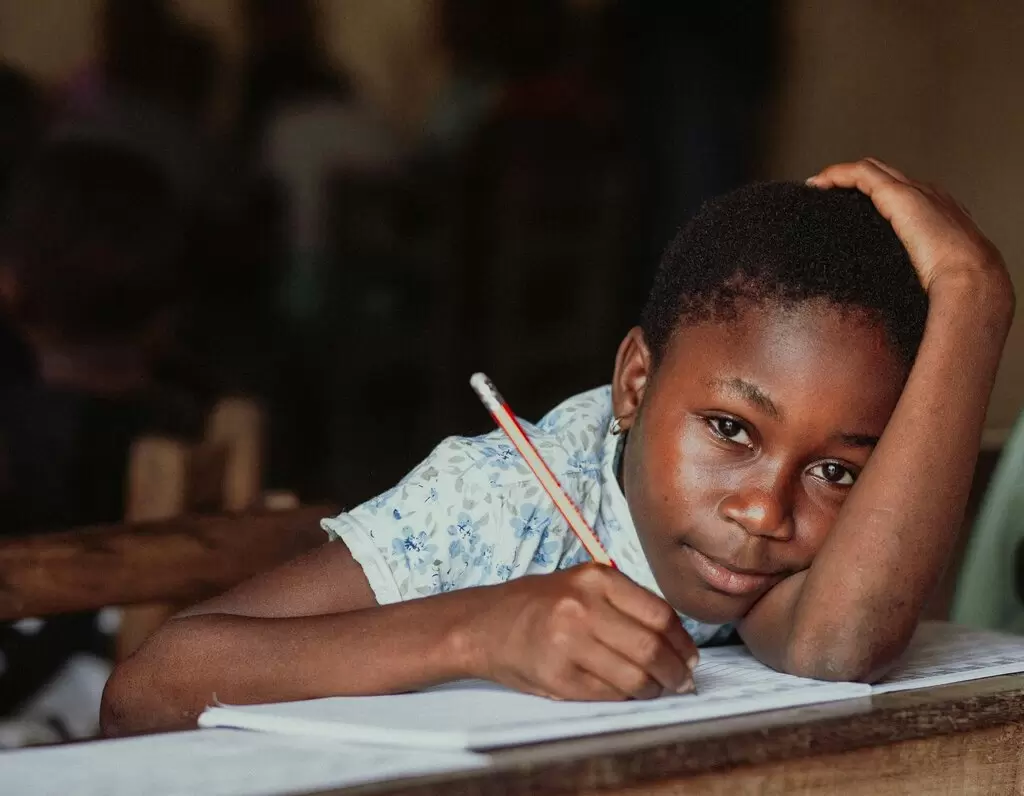
Poverty remains one of the most significant obstacles to educational attainment worldwide. Children growing up in low-income households often face multiple challenges: limited access to quality schools, inadequate learning materials, malnutrition, and family responsibilities that interfere with schooling. These barriers can perpetuate cycles of disadvantage, making it difficult for children in poverty to realize their full potential.
This article explores the challenges these children face, examines successful interventions, and considers strategies to break the cycle of educational disadvantage.
Challenges Faced by Children in Poverty
1. Limited Access to Quality Schools
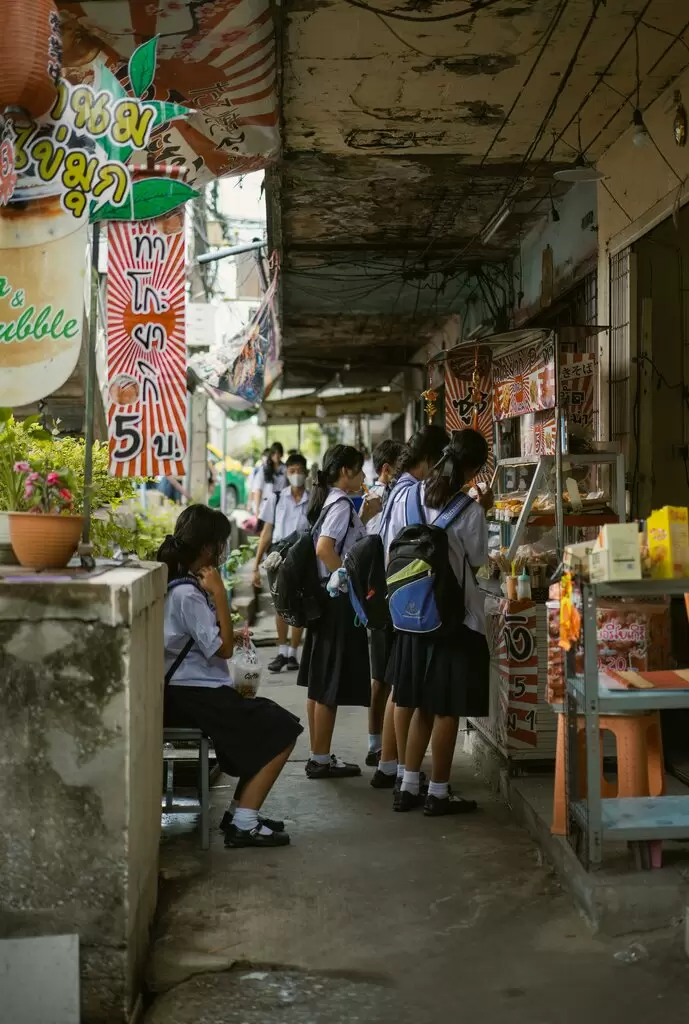
Children from low-income families often attend underfunded schools with outdated textbooks, poorly maintained classrooms, and fewer extracurricular opportunities.
2. Financial Constraints
Even when schools are free, indirect costs—uniforms, transportation, school supplies—can be prohibitive. Some children are forced to work part-time, reducing study time and academic performance.
3. Nutritional and Health Issues
Malnutrition and untreated health problems affect cognitive development and concentration. Studies show that children facing hunger are more likely to underperform academically.
4. Lack of Parental Support
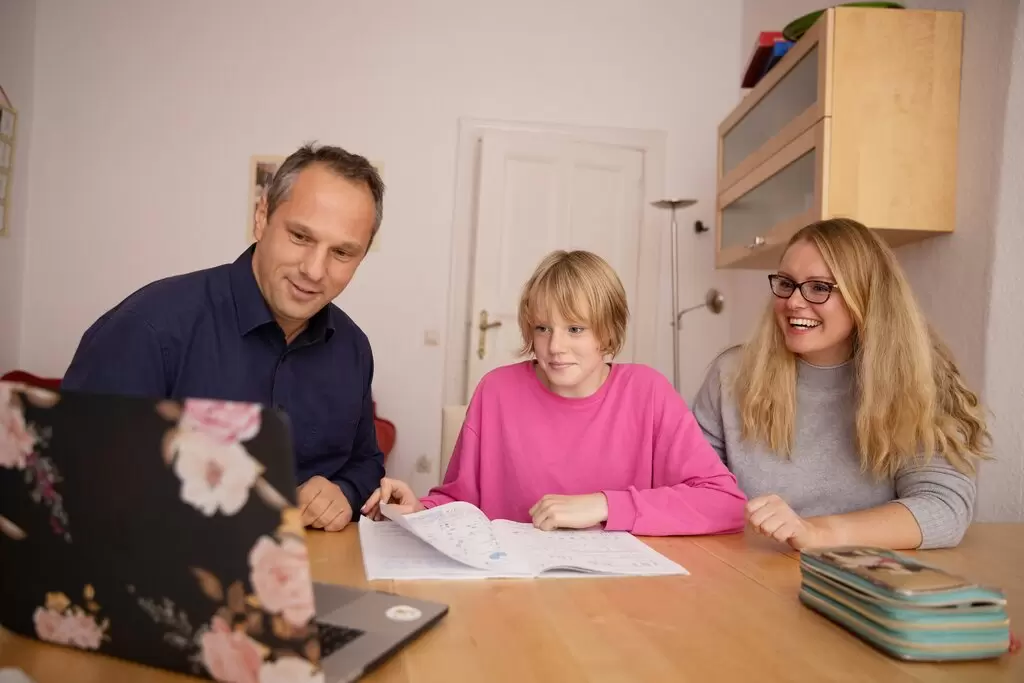
Parents in poverty may have limited education themselves or work multiple jobs, reducing their ability to support homework, provide guidance, or advocate for their children.
5. Social and Emotional Barriers
Children in impoverished communities may experience stigma, low self-esteem, or trauma that affects their motivation and engagement in school.
Case Studies of Effective Interventions
1. Conditional Cash Transfers
Programs like Bolsa Família in Brazil and PROGRESA/Oportunidades in Mexico provide families with financial incentives tied to school attendance and health check-ups. These programs have improved enrollment and retention rates among low-income children.
2. Early Childhood Education
High-quality early education programs, such as Head Start in the United States, prepare disadvantaged children for school by developing cognitive, social, and emotional skills.
3. Community Learning Centers
Nonprofit initiatives often establish centers in low-income neighborhoods that provide tutoring, mentorship, and access to books and computers. Examples include Pratham in India and Room to Read in Southeast Asia.
4. School Meal Programs
Providing nutritious meals at school ensures that children are physically ready to learn. Programs like Midday Meal Scheme in India have demonstrated improved attendance and performance.
5. Teacher Training and Incentives
Well-trained and motivated teachers are crucial. Programs that provide additional training and support to teachers in low-income areas have shown measurable improvements in student learning outcomes.
Strategies for Breaking Educational Barriers
1. Strengthening Public Education
Governments must ensure that schools in low-income areas receive adequate funding, modern facilities, and qualified teachers. Equitable resource distribution is key.
2. Leveraging Technology
Digital learning platforms can supplement classroom instruction, providing access to high-quality content for children who might otherwise lack it. This requires investment in devices and connectivity.
3. Parental and Community Engagement
Encouraging parental involvement and fostering community support networks can reinforce the importance of education and provide guidance outside the classroom.
4. Holistic Support Programs
Combining educational support with healthcare, nutrition, and social services addresses multiple barriers simultaneously. Children are more likely to succeed when their overall well-being is supported.
5. Policy and Advocacy
Advocacy for education rights, anti-poverty initiatives, and social equity legislation can create systemic change that benefits children in poverty on a large scale.
Future Outlook
Breaking the cycle of educational disadvantage requires sustained effort from governments, NGOs, communities, and families. Emerging solutions such as blended learning models, mobile tutoring, and mentorship programs offer promising avenues.
However, success will depend on coordinated policies, equitable resource allocation, and a focus on holistic child development . Only through multi-dimensional approaches can children in poverty overcome educational barriers and access opportunities for upward mobility.
Conclusion
Children growing up in poverty face complex challenges that extend beyond the classroom. While educational barriers are significant, they are not insurmountable. Through targeted interventions, equitable resource distribution, and supportive communities, it is possible to break the cycle of disadvantage .
Education for all, regardless of economic background, is not just a moral imperative—it is essential for building equitable and prosperous societies.