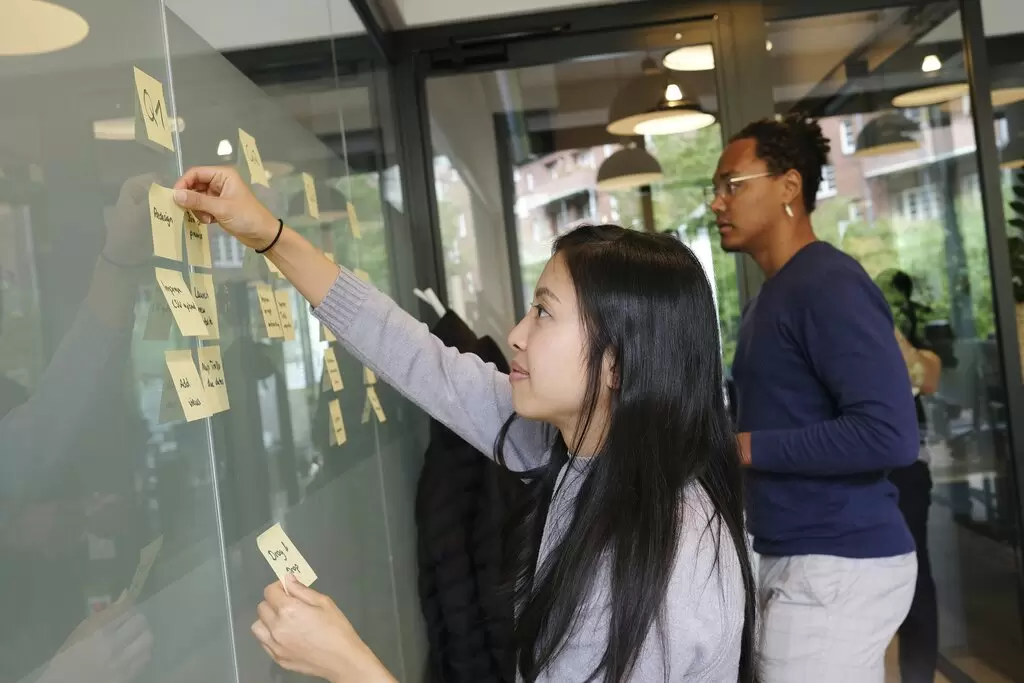
Project-Based Learning: A New Approach to Student Engagement

Project-Based Learning: A New Approach to Student Engagement
Introduction
Project-Based Learning (PBL) is transforming classrooms by shifting the focus from rote memorization to hands-on, inquiry-based learning. Unlike traditional instruction, which often centers around lectures and standardized tests, PBL emphasizes student-driven projects that encourage collaboration, critical thinking, and real-world problem-solving.
This article explores how PBL works, its key benefits, challenges, and how educators can implement it effectively in diverse learning environments.
What Is Project-Based Learning?
Project-Based Learning is a teaching method where students learn by actively engaging in real-world and personally meaningful projects. Instead of passively absorbing information, students explore complex questions or challenges, conduct research, collaborate with peers, and present their findings or solutions.
Examples include:
- Designing a sustainable city layout
- Creating a historical documentary
- Developing a business plan for a school fundraiser
- Conducting scientific experiments on water pollution
Core Features of PBL
- Inquiry-Driven : Students begin with a question, problem, or challenge.
- Student-Centered : Learners have voice and choice in their projects.
- Real-World Relevance : Projects relate to real issues, communities, or industries.
- Collaboration : Students work in teams and engage with peers, teachers, and even outside experts.
- Reflection and Revision : Feedback is integral to the learning process.
Benefits of Project-Based Learning
Increased Engagement and Motivation
Because students work on projects that matter to them, they become more invested in learning. This intrinsic motivation often leads to higher academic performance.
Development of 21st-Century Skills
PBL fosters skills like:
- Collaboration
- Communication
- Creativity
- Critical thinking These are crucial for success in the modern workplace.
Deeper Understanding of Content
When students apply knowledge in practical contexts, they gain a more meaningful understanding of concepts. They don’t just memorize—they internalize.
Assessment Beyond Tests
PBL encourages alternative assessment methods like portfolios, presentations, and peer reviews. These better capture student growth and learning processes.
Implementation Challenges
Curriculum Constraints
Many standardized curricula don’t accommodate flexible timelines or interdisciplinary learning, making it hard to fit PBL into a rigid system.
Teacher Readiness
Successful PBL requires skilled facilitation. Teachers must shift from being information providers to learning coaches, which may require training and mindset changes.