Public vs. Private Education: The Truth Behind Unequal Resources
Public vs. Private Education: The Truth Behind Unequal Resources
Introduction
Education is often regarded as the great equalizer, but in practice, disparities between public and private schools reveal a very different story. While public schools are designed to provide education for all, they frequently struggle with resource limitations, overcrowded classrooms, and uneven funding. In contrast, private schools often offer smaller class sizes, better infrastructure, and extracurricular enrichment programs—advantages that reinforce inequality.
This article explores the truth behind the unequal distribution of resources, the impact on student outcomes, and possible pathways toward greater fairness.
Understanding the Divide
The public-private divide in education can be understood along several key dimensions:
- Funding Sources :
Public schools rely primarily on government funding, often linked to local tax revenues. Private schools depend on tuition fees, donations, and endowments. - Class Size and Teacher Ratios :
Public schools in many regions operate with overcrowded classrooms, while private institutions maintain lower student-teacher ratios. - Curriculum and Flexibility :
Public schools follow standardized curricula; private schools often have more freedom to introduce innovative programs. - Access and Affordability :
Public education is free or low-cost, while private education is accessible mainly to families with financial means.
Core Challenges
1. Unequal Funding Models
Public schools are vulnerable to budget cuts and political shifts . A school in a wealthy district may be well-funded, while a school in a low-income community may lack basic resources like textbooks, lab equipment, or extracurricular programs.
2. Facilities and Infrastructure
Private schools usually provide state-of-the-art facilities: modern classrooms, sports complexes, and digital labs. Public schools often operate in aging buildings with outdated technology, limiting students’ exposure to modern learning tools.
3. Teacher Quality and Retention
Private schools may attract teachers with competitive salaries and smaller class sizes. Public schools, while employing many talented educators, often struggle with burnout, high turnover, and inadequate professional development opportunities .
4. Social Stratification
Private schools often become exclusive communities , reinforcing privilege and limiting diversity. Public schools, on the other hand, reflect broader demographics but face challenges in bridging socioeconomic divides.
Case Studies
- United States : Public schools are funded by local property taxes, creating wide disparities between wealthy suburbs and poorer districts.
- United Kingdom : Private institutions like Eton and Harrow offer elite pathways to universities, while public schools face budget pressures.
- Developing Countries : In many nations, underfunded public systems push families to seek low-cost private schools, creating a parallel education structure.
These examples demonstrate how resource inequality perpetuates educational and social stratification .
Possible Solutions
1. Reforming Funding Mechanisms
Governments can adopt equitable funding formulas to ensure disadvantaged schools receive additional support, regardless of their location or local tax base.
2. Encouraging Public-Private Partnerships
Collaborations between sectors can bring resources from private institutions to public schools—whether through technology donations, teacher training, or shared infrastructure.
3. Teacher Incentive Programs
Retention strategies, such as better salaries, professional development, and mental health support , can strengthen the public school teaching workforce.
4. Transparency and Accountability
Ensuring that funds are used effectively, with community oversight, can maximize the impact of public school budgets.
5. Expanding Access to Extracurricular Programs
Providing arts, sports, and STEM opportunities in public schools can help level the playing field.
Future Outlook
The debate over public versus private education will persist, but the key question is how to ensure fair opportunities for all students . The future may see hybrid solutions: public schools adopting innovative models inspired by private institutions, and private schools contributing to social responsibility initiatives.
Conclusion
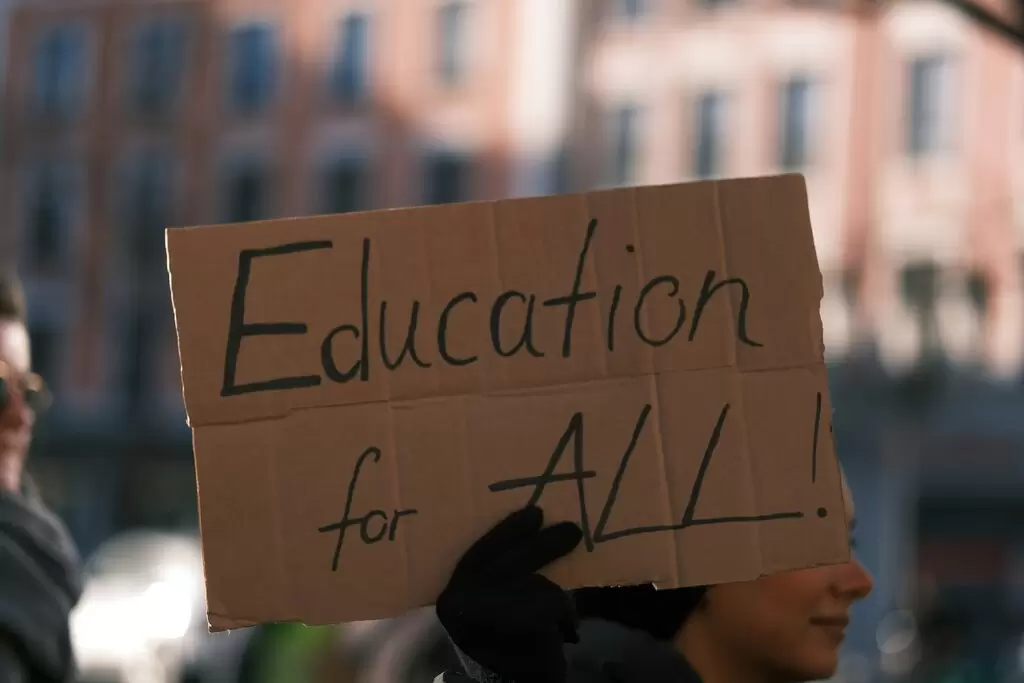
The inequality between public and private education is not merely a reflection of financial differences; it symbolizes a deeper structural issue in society. If left unaddressed, it risks reinforcing privilege for the few while limiting opportunities for the many. Achieving balance requires reimagining funding systems, fostering collaboration, and committing to fairness .
Only then can education fulfill its promise as the true equalizer for future generations.