The Importance of Play-Based Learning in Early Childhood
The Importance of Play-Based Learning in Early Childhood
Play-based learning is widely recognized as a fundamental approach in early childhood education, offering young children opportunities to explore, experiment, and develop critical cognitive, social, and emotional skills. Unlike traditional rote learning, play-based learning emphasizes curiosity, creativity, and active engagement, allowing children to learn through hands-on experiences that are both enjoyable and educational. This article explores the principles, benefits, and practical applications of play-based learning in early childhood settings.
1. Understanding Play-Based Learning
Play-based learning involves structured and unstructured activities that encourage children to learn through play. It is guided by educational objectives while allowing children the freedom to explore their interests and develop their own understanding.
- Types of Play : Play can be categorized into various forms, including imaginative play, constructive play, physical play, and social play. Each type supports different aspects of child development.
- Child-Centered Approach : In play-based learning, educators act as facilitators rather than traditional instructors, providing materials, guidance, and encouragement while allowing children to take the lead in their learning experiences.
- Integration with Curriculum : Play-based activities can be aligned with early learning standards, covering areas such as literacy, numeracy, science, and social studies, ensuring that play is both enjoyable and educational.
2. Cognitive Benefits
Play-based learning significantly enhances cognitive development in young children:
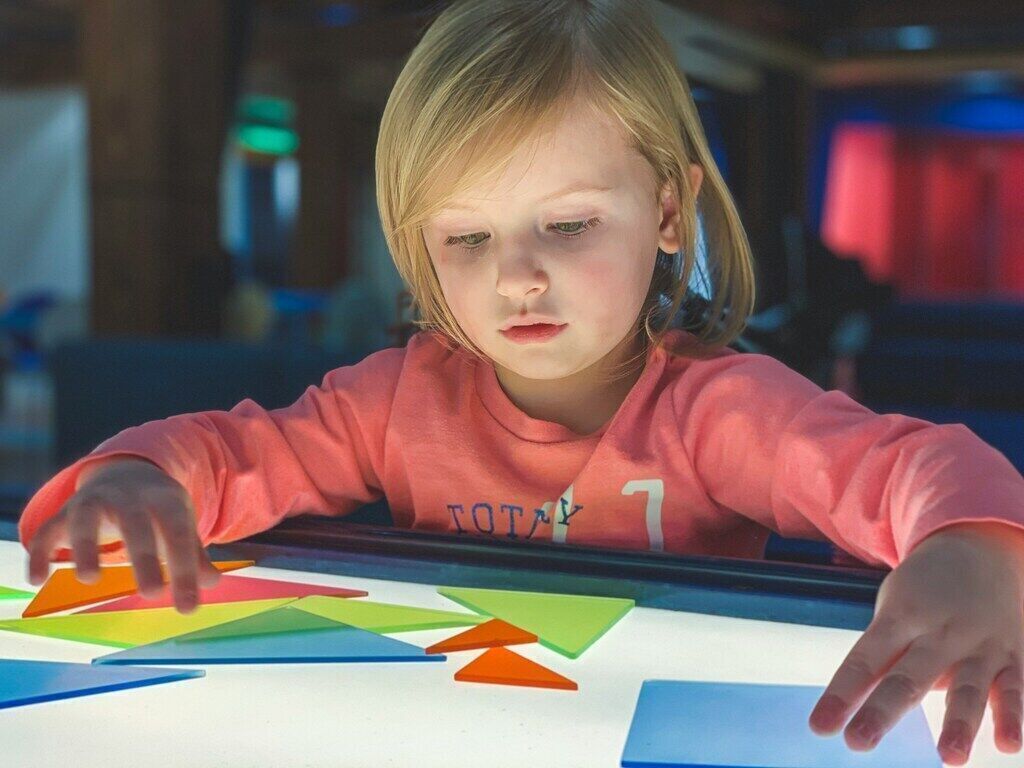
- Problem-Solving Skills : Activities like building blocks, puzzles, and role-playing scenarios encourage children to think critically and develop solutions independently.
- Creativity and Imagination : Imaginative play allows children to create stories, explore different roles, and experiment with new ideas, fostering creativity that is essential for future innovation.
- Language Development : Through social interactions and storytelling during play, children expand their vocabulary, improve communication skills, and develop early literacy abilities.
3. Social and Emotional Development
Play-based learning also supports the development of social and emotional skills:
- Collaboration and Teamwork : Group activities encourage children to share, negotiate, and cooperate with peers, building strong social relationships.
- Empathy and Emotional Regulation : Role-playing and pretend scenarios help children understand different perspectives and manage their own emotions effectively.
- Confidence and Independence : Allowing children to make choices and take initiative in play fosters a sense of autonomy and self-confidence.
4. Physical Development
Active play contributes to the development of fine and gross motor skills:
- Fine Motor Skills : Activities like drawing, cutting, and manipulating small objects enhance hand-eye coordination and dexterity.
- Gross Motor Skills : Outdoor play, climbing, and running improve strength, balance, and overall physical health.
- Sensory Development : Play involving textures, sounds, and movements stimulates sensory awareness, helping children explore and understand the world around them.
5. The Role of Educators
Educators play a critical role in facilitating effective play-based learning:
- Creating a Stimulating Environment : Classrooms and play areas should provide diverse materials, open-ended toys, and safe spaces for exploration.
- Observing and Guiding : Teachers observe children’s interests and developmental progress, intervening when necessary to extend learning or provide new challenges.
- Balancing Structure and Freedom : Effective play-based learning requires a balance between guided activities and child-led exploration, ensuring that educational objectives are met without stifling creativity.
6. Practical Applications in the Classroom
Implementing play-based learning can take many forms:
- Dramatic Play Areas : Setting up pretend kitchens, stores, or doctor’s offices allows children to role-play and develop social and cognitive skills.
- Construction and Building Activities : Blocks, LEGO, and other construction materials support problem-solving, spatial awareness, and creativity.
- Outdoor Exploration : Nature walks, sand and water play, and playground activities promote physical development and environmental awareness.
- Integrated Learning Centers : Combining art, science, literacy, and math activities in themed learning centers encourages children to explore multiple domains simultaneously.
7. Research and Evidence
Numerous studies support the effectiveness of play-based learning:
- Research shows that children engaged in play-based learning demonstrate higher levels of cognitive development, language acquisition, and social competence compared to those in traditional rote-learning environments.
- Long-term studies indicate that early exposure to play-based learning correlates with improved academic performance, creativity, and problem-solving abilities in later years.
- Educational organizations, including UNESCO and the National Association for the Education of Young Children (NAEYC), advocate for play-based approaches as a best practice in early childhood education.
8. Challenges and Considerations
While play-based learning offers numerous benefits, educators must navigate several challenges:
- Time and Curriculum Pressure : Balancing mandated learning standards with sufficient time for play can be difficult in some educational systems.
- Resource Availability : Effective play-based learning requires access to diverse materials and safe play spaces, which may be limited in certain settings.
- Educator Training : Teachers need specialized training to effectively facilitate play-based learning and assess developmental outcomes.
Despite these challenges, with proper planning and support, play-based learning can thrive in a variety of educational contexts.
Conclusion
Play-based learning is a powerful approach in early childhood education, fostering cognitive, social, emotional, and physical development through engaging and meaningful activities. By prioritizing curiosity, creativity, and active participation, educators can create enriching experiences that prepare young children for lifelong learning. As research continues to highlight its benefits, play-based learning remains a cornerstone of effective early education, demonstrating that learning through play is not only enjoyable but also essential for holistic child development.