Can Online Education Truly Solve the Problem of Limited Resources?
Can Online Education Truly Solve the Problem of Limited Resources?
Introduction
Over the last decade, online education has rapidly transformed from a supplementary tool into a mainstream mode of learning. With the rise of massive open online courses (MOOCs), virtual classrooms, and mobile learning apps, millions of learners now have access to resources that were once limited to elite institutions. Advocates argue that online education can level the playing field by making high-quality learning materials accessible to everyone, regardless of location or financial background.
But the question remains: can online education truly solve the deep-rooted problem of limited educational resources, or does it simply create new forms of inequality?
The Promise of Online Education
1. Accessibility
Online platforms break down geographic barriers. A student in a rural village can, in theory, access the same lecture delivered at a world-class university.
2. Cost-Effectiveness
Digital platforms reduce infrastructure costs such as physical classrooms and printed textbooks, potentially making education more affordable.
3. Personalization
Artificial intelligence and data analytics can tailor learning experiences to individual students, providing customized recommendations, assessments, and progress tracking.
4. Lifelong Learning
Unlike traditional institutions that focus primarily on youth education, online platforms cater to professionals, parents, and retirees, expanding access across demographics.
Core Challenges
1. The Digital Divide
Access to online education is not universal. Students in rural or low-income areas often lack reliable internet connections, computers, or even electricity. The digital divide risks deepening existing inequalities instead of reducing them.
2. Quality Concerns
Not all online courses are of equal quality. While some platforms partner with prestigious universities, others offer low-quality content with little oversight. Students may struggle to discern which resources are trustworthy.
3. Lack of Human Interaction
Traditional classrooms provide not only academic learning but also social development, mentorship, and peer collaboration. Online education often struggles to replicate these human elements.
4. Motivation and Completion Rates
MOOCs and online courses often suffer from low completion rates. Without direct teacher supervision and peer accountability, many learners drop out before completing the program.
5. Credential Recognition
Employers and universities may not treat online certificates as equal to traditional degrees. This reduces the long-term value of online learning for career advancement.
Case Studies
- Coursera & edX : These platforms have democratized access to Ivy League-level courses. However, only a small percentage of learners complete the courses.
- India’s Digital Initiatives : Programs like SWAYAM attempt to bring online education to rural students, but inconsistent connectivity remains a barrier.
- COVID-19 Pandemic : The global shift to remote learning revealed stark inequalities, with students in urban areas adapting more easily than those in rural or underprivileged regions.
Possible Solutions
1. Expanding Digital Infrastructure
Governments and private companies must invest in broadband networks, affordable devices, and rural connectivity to make online education viable for all.
2. Blended Learning Models
A combination of online content and local in-person support may offer the best solution. Teachers in rural schools could use online resources to supplement traditional lessons.
3. Quality Assurance Systems
Creating accreditation standards for online education can ensure consistency and reliability, giving students and employers confidence in digital credentials.
4. Community Learning Centers
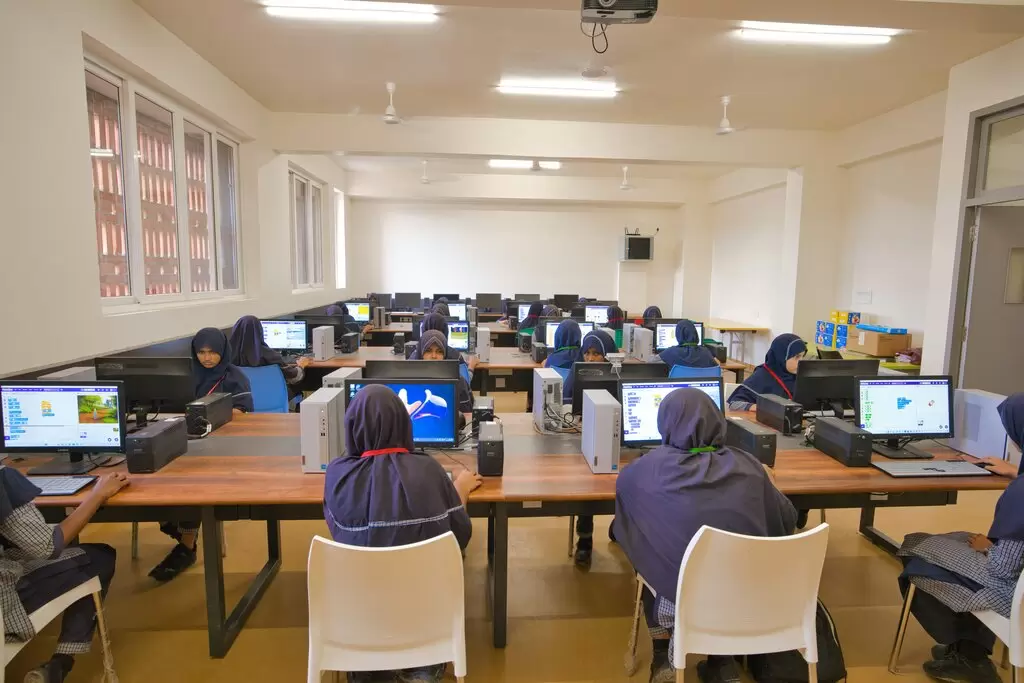
In regions with poor connectivity, establishing community hubs with internet access, computers, and facilitators can allow multiple students to benefit from online resources.
5. Encouraging Active Learning
Interactive tools, gamification, and peer collaboration features can improve student motivation and reduce dropout rates.
Future Outlook
Online education is not a silver bullet. While it provides unprecedented access to resources, it cannot fully replace the social and developmental roles of traditional schools. The most promising future lies in integrated models , where online platforms complement rather than replace traditional education.
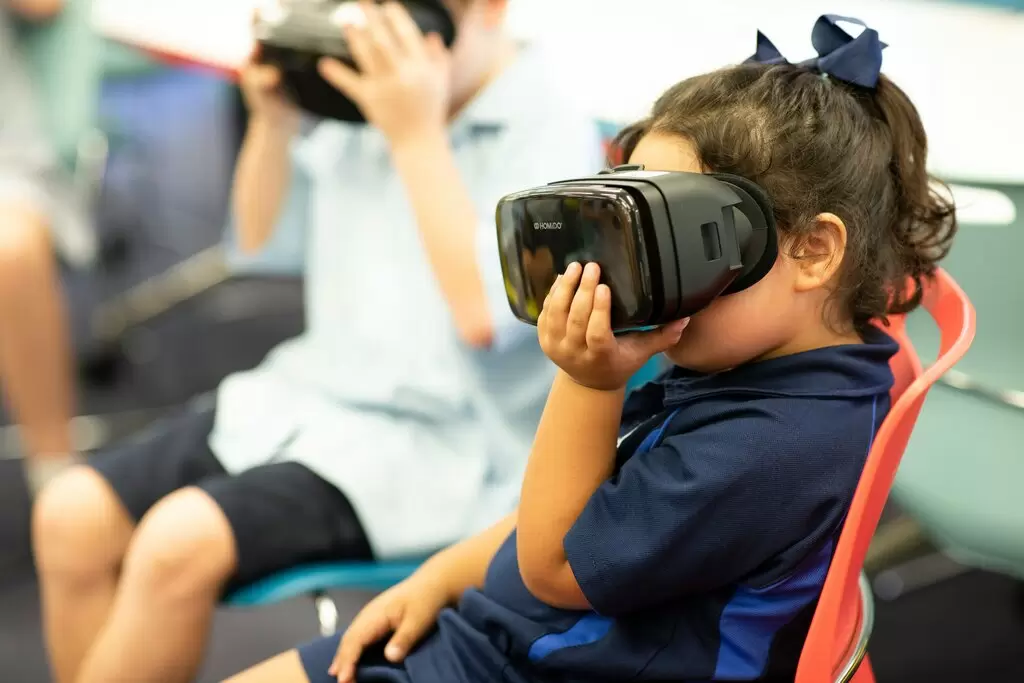
As technology evolves, innovations such as virtual reality classrooms, AI tutors, and global learning networks may further bridge the resource gap. However, ensuring equitable access must remain the top priority.
Conclusion
Can online education solve the problem of limited resources? Partially, yes. It offers opportunities that were unimaginable just a decade ago. But without addressing digital divides, quality assurance, and human interaction, online learning risks creating a new hierarchy of access rather than eliminating existing ones.
True educational equity will require a blend of technology, policy reforms, and community engagement . Only then can online education fulfill its promise of making high-quality learning accessible to all.