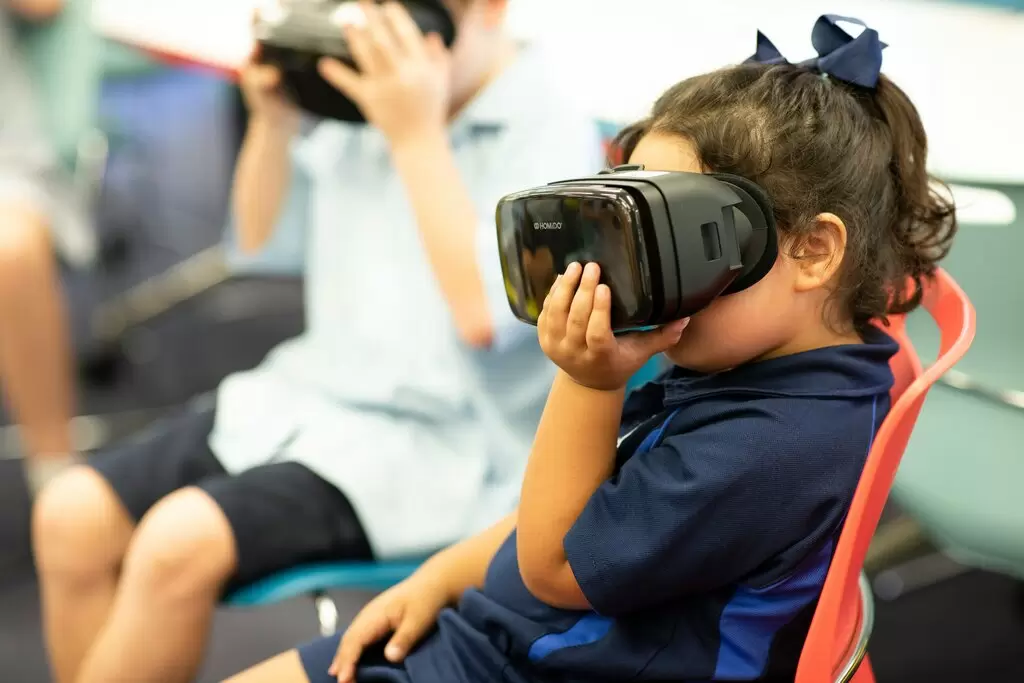
AI in Education: Revolutionizing Personalized Learning and Assessment
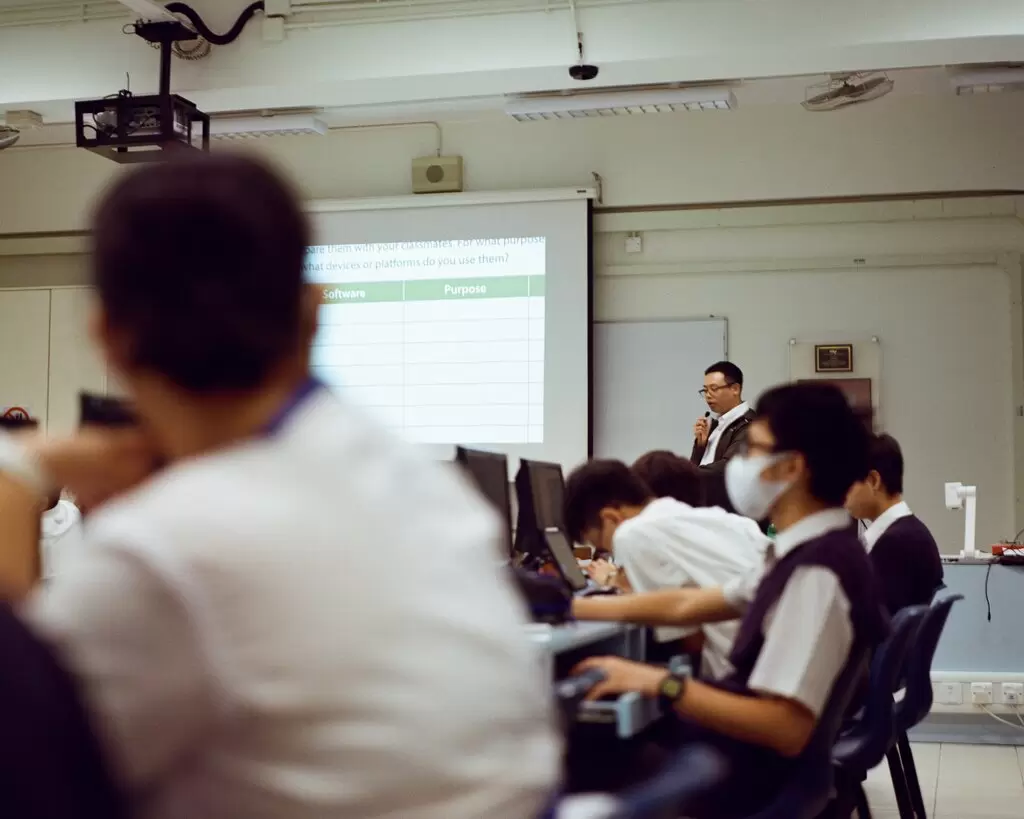
AI in Education: Revolutionizing Personalized Learning and Assessment
Introduction
Artificial Intelligence (AI) is transforming numerous sectors, and education is no exception. From intelligent tutoring systems to automated grading and predictive analytics, AI is redefining how educators teach and how students learn.
This article examines the role of AI in education, exploring its current applications, advantages, ethical concerns, and future potential.
What Is AI in Education?
AI in education refers to the use of machine learning algorithms and intelligent software to:
- Analyze student performance
- Adapt content delivery in real time
- Automate administrative tasks
- Enhance educational research and curriculum development
Key Applications
Intelligent Tutoring Systems (ITS)
These AI-powered platforms simulate human tutors by providing real-time feedback, adaptive content, and personalized guidance.
Automated Grading
AI can evaluate multiple-choice and even written assignments using natural language processing, saving educators significant time.
Predictive Analytics
AI systems analyze attendance, grades, and behavior patterns to identify at-risk students and recommend interventions.
Virtual Teaching Assistants
Chatbots can answer student questions, guide them through lessons, or assist with scheduling and submissions.
Benefits of AI in Education
Personalized Learning
AI can tailor instruction to individual needs, allowing students to learn at their own pace and style.
Efficiency and Scalability
Tasks like grading, content delivery, and communication can be automated, making education more efficient and accessible.
Data-Driven Insights
Educators receive real-time analytics on student performance, helping them adjust instruction more effectively.
Continuous Feedback
AI provides instant feedback, which is critical for learning and skill mastery.
Concerns and Challenges
Data Privacy
Collecting and analyzing student data raises serious concerns about confidentiality and ethical use.
Bias in Algorithms
AI systems may perpetuate bias if trained on skewed data sets, leading to unfair treatment or assessments.
Over-Reliance on Technology
While AI can enhance learning, it cannot replace human interaction, mentorship, and emotional support.
Cost and Access
High-quality AI tools may not be affordable for all institutions, especially in underfunded regions.
The Future of AI in Education
- Emotion Recognition : AI may soon gauge student emotions to better tailor responses.
- Adaptive Testing : Dynamic assessments that adjust in real time based on student performance.
- Collaborative AI : Tools that support group work and social learning.
- AI in Vocational Training : Simulations for hands-on skill development in fields like medicine and engineering.
Conclusion
AI holds tremendous promise for making education more personalized, inclusive, and efficient. However, its integration must be thoughtful, ethical, and student-focused. When used wisely, AI can be a powerful ally in shaping the future of learning.